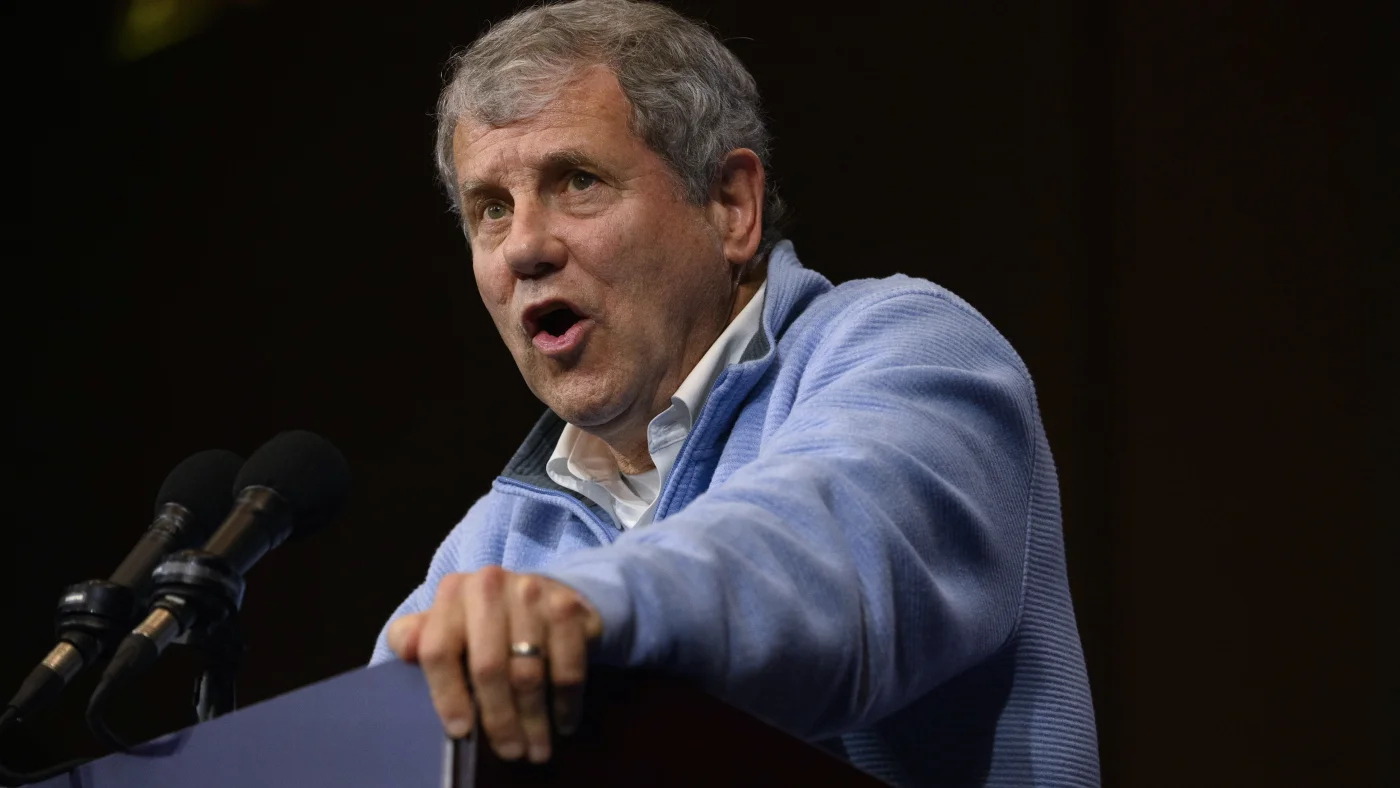
A Comeback Victory for Sherrod Brown
Former U.S. Senator Sherrod Brown (D-OH) has made a remarkable comeback, winning back a seat in the U.S. Senate after a two-year hiatus. The Democrat defeated incumbent Republican Senator Jon Husted in a closely watched and costly race, according to the Associated Press.
Brown's victory is significant as he becomes the seventh former U.S. senator since 1946 to lose their seat and then return to the Senate. This achievement is made even more notable by the fact that Ohio has been a Republican stronghold for years, with President Trump winning the state in the last three presidential cycles.
A Close and Costly Battle
The race was tight throughout, with polls showing a close contest all year. Brown, who served three terms before losing to Bernie Moreno in 2024, faced a challenging opponent in Husted, who had a long career in Ohio politics, serving as speaker of the Ohio House, secretary of state, and lieutenant governor.
The campaign started quietly, with both candidates initially favoring smaller events. However, as the race gained national attention due to a potential 'blue wave' for Democrats, they joined larger rallies, including Brown's appearance at a rally led by former President Barack Obama in October.
Key Issues and Campaign Strategies
Data centers, affordability, the war in Iran, and healthcare costs were major issues in the campaign. Brown effectively made data centers a central talking point, criticizing Husted for his involvement in such deals during his tenure as lieutenant governor. A leaked memo from the National Republican Senatorial Committee acknowledged the potential damage of this issue, referring to data centers as "the anchor hanging around Husted's neck."
Fundraising played a crucial role, with Brown far outpacing Husted. The candidates collectively raised over $80 million, and Ohio became the only state with a close U.S. Senate race where Democrats had more broadcast TV ads than Republicans. As of mid-October, the candidates and outside groups had spent more than $422 million, making it one of the most expensive U.S. Senate contests in the country.
A Bittersweet Victory
While Brown's supporters are thrilled with his victory, some are disappointed that Husted received a significant portion of the vote. One Ohioan expressed frustration with Husted's out-of-touch comments, particularly his remarks about Americans in poverty not knowing how to budget. Despite these concerns, Brown's win is a significant achievement, and he will serve the remainder of the term until 2028, when he will need to run for reelection.
"I'm so fucking proud of everyone right now holy shit. There's a ton of work to do, but the people have spoken."
The victory has sparked a range of reactions, from excitement about the potential for change to concerns about the future. Some are eager to see the impact of Brown's win on labor and unions, while others are relieved to see a shift away from the previous administration's policies. One commenter quipped, "Don't let the door hit you on the way out, Husted, you'll ruin Donnie's view."
As Ohio celebrates this political shift, the state's future direction remains a topic of interest and speculation.

